https://paradigmhq.org/citizen-journalism-how-the-internet-is-decentralising-information-control/
Wednesday, June 24, 2026

Tuesday, June 23, 2026
T2 | Wk 10 | Wed - Technology - case studies for future of technology in media
Make some notes on the future of technology in media
- Bandersnatch
- Kaleidoscope
- AI
We need a case study to refer to in terms of how audiences are looking for interactive content to consume.
Kaleidoscope is a good example, from Netflix. Write down all the info about it.
Monday, June 22, 2026
T2 | Wk 10 | Wed - The rise of short form content
This media concept can go into an audiences essay or technology essay;
Short Form content
https://davidrshane.com/tv-industry-is-navigating-the-shift-toward-short-form-content/
https://firework.com/blog/short-form-video-statistics
Thursday, June 18, 2026
T2 | Wk 10 | Monday - Technology challenges - AI
Have a read of this article.
Make some notes of the benefits of AI in the film industry as well as some of the challenges that will now arise.
https://raindance.org/the-impact-of-ai-on-the-film-industry-a-producers-view/
https://www.theguardian.com/film/article/2024/jul/27/artificial-intelligence-movies
Do some research and articulate your findings in a blog post that explores the challenges of technological developments in regards to AI and it's impact on different media you have studied ( think along the lines of Social Media / fake news / misinformation / deep fake videos / source validity / regulation challenges and personal data)
What are the benefits? Do they outweigh the concerns?
Wednesday, June 17, 2026
T2 | Wk 9 - Thurs / Friday - Changing NZ Media Landscape
Create a presentation where you inform the class of how the following NZ Media companies and international media companies have been changed by technology, how the audiences have responded with changed viewing habits and include theories which relate to the findings.
You have 2 days to do this research and you'll present on Monday.
- TVNZ+
- RNZ
- Stuff
- NZME
- TikTok
- Netflix
Questions:
- How has technology changed this organisation?
- How have audiences changed viewing habits?
- Which theorist explains this best?
Use this question as the over-arching question for research;
"Evaluate the significance of contemporary technologies which have changed our relationship with the media"
Tuesday, June 16, 2026
T2 | Wk 9 | Wed - China and issue with global audience
Have a watch of these 2 videos and make notes. Be careful to get stats/ quotes and case study examples that you can use in essays.
You can use the concept of a global audience impacting representation / impacting Hollywood in the following essays;
- Power + The Media (in relation to how institutions have power but because they are driven by $, audiences have growing power and Hollywood bowing to Chinese censorship to gain access to foreign market. How people / ethnicities/ governments are represented is largely due to financial gain and not truth of what is currently happening)
- Media Regulation (in relation to how China censors Hollywood contrasted with the West's democratic values - issues of freedom of speech)
- Media Ecology (In relation to audiences relationship with institutions)
Also revisit The Interview and add that in as an example of a problem created by globalism in the film industry particularly.
Monday, June 15, 2026
T2 | Wk 9 | Tues - Case Study - The Chosen
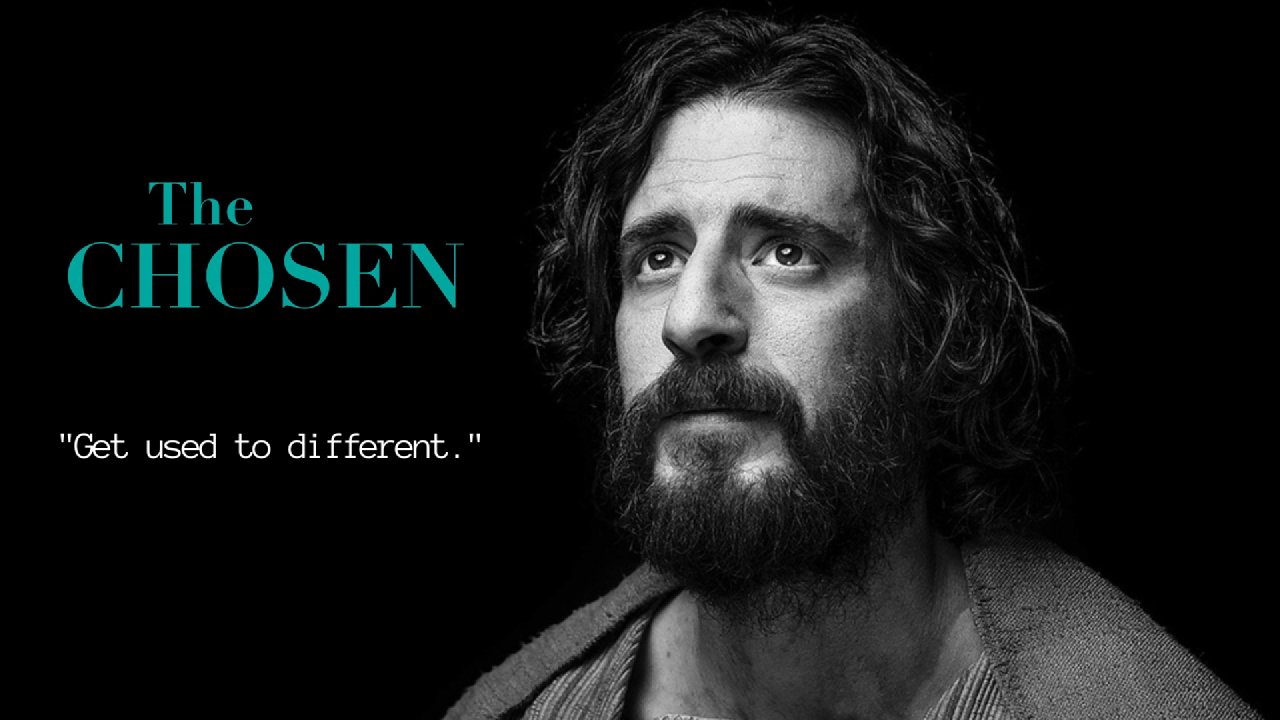
I want you to use The Chosen as a case study for Media Ecology.
- how audiences are creating demand for the type of content they want
- how technology is enabling Indi filmmakers/ TV show makers to create content outside of big corporations
https://www.316tees.com/blogs/316/the-chosen-highest-crowd-funded-media
https://www.facebook.com/InsideTheChosen/videos/509845126761963/
Sunday, June 14, 2026
CCR Activity - due Friday Wk 11
Due Last Day of of Term 2
Here's your CCR questions and assignment - this will be completely due last day of Term and includes the following;
- Critical reflection (meaning you look at your work from every angle)
- Evaluative essay around 1000 words
QUESTIONS:
1. How do your products represent social groups or issues?
2. How do the elements of your production work together to create a sense of branding?
3. How do your products engage with the audience?
4. How did your research inform your products and the way they use or challenge conventions?
Remember you are commenting on your branding PACKAGE so all 3 tasks (don't get caught up only talking about the major task).
Remember to include lots of pictures, screen grabs, example photos etc, to make your CCR visually interesting.
T2 | Wk 9 | Monday - Social Media impact on audience consumption
Have a watch of this short clip and write some notes to add to the modern day context of how something like social media has completely changed society
Here's the 2 articles we are going to look at in class. I want you to make some notes on media ecology, mainly how society is interacting with media through technology advancements and what issues may arise from this in the future.
https://www.simplilearn.com/real-impact-social-media-article
Wednesday, June 10, 2026
T2 | Wk 8 | Friday - Theory Note Meeting
Today your task is to create Canva infographics with key theories, ready to print for exam notes.
Include some graphics, key quotes, CORRECT explanation of the theory (word for word, so you can study with this) and key examples for each one, from Case Study information you have so far.
This should include all theories we have done this week, relating to Media Ecology.
T2 | Wk 8 | Thurs - Media Ecology Theory - Shirky (End of Audience Theory)
Shirky – end of audience theory.

What is it?
Audience behaviour has changed due to the internet and the ability for audiences to create their own content at home thanks to the lower cost of technology. This new audience doesn’t just consume media, but also produces it – creating the term ‘prosumer’.
Amateur content made this way has different values to professional media producers, in that it promotes a connection between other amateur producers – they both deeply care about the products they make and can help them work together.
When they work together in this way, audiences can make more content than producers – Wikipedia is a good example of this.
What is the advanced version?
In the ‘old’ media, centralised producers addressed atomised consumers; in the ‘new’ media, every consumer is now a producer. Traditional media producers would ‘filter then publish’; as many ‘new’ media producers are not employees, they ‘publish then filter’.
These amateur producers have different motivations to those of professionals – they value autonomy, competence, membership and generosity. User-generated content creates emotional connection between people who care about something. This can generate a cognitive surplus – for example, Wikipedia can aggregate people’s free time and talent to produce value that no traditional medium could match.
‘The Audience’ as a mass of people with predictable behaviour is gone. Now, behaviour is variable across different sites, with some of the audience creating content, some synthesising content and some consuming content. The ‘old’ media created a mass audience. The ‘new’ media provide a platform for people to provide value for each other.
T2 | Wk 8 | Thursday - Henry Jenkins Fandom Theory

Jenkins – fandom theory.
What is it?
Fans enjoy media texts so much that they create content based upon the text and form communities around it, which has been made even more possible due to the internet.
This is like the ‘prosumer’ term – a producer and consumer of content. It also links to media convergence – a coming together of lots of different media elements which can make a new product.
What is the advanced version?
Fans act as ‘textual poachers’ – taking elements from media texts to create their own culture. The development of the ‘new’ media has accelerated ‘participatory culture’, in which audiences are active and creative participants rather than passive consumers.
They create online communities, produce new creative forms, collaborate to solve problems, and shape the flow of media. This generates ‘collective intelligence’.
From this perspective, convergence is a cultural process rather than a technological one.
Jenkins prefers the term ‘spreadable media’ to terms such as ‘viral’, as the former emphasises the active, participatory element of the ‘new’ media.
Task
- Read the link below and include some points on fans of Stranger things in your essay
https://www.theguardian.com/law/2019/jan/19/how-stranger-things-preteen-fans-went-to-war-with-the-eu
- Read the link below and include 1 sentence on the Mandalorian fan who was hired by Lucas Films after creating his own scene from the movie.
https://www.slashgear.com/lucasfilm-hires-star-wars-fan-behind-luke-face-fix-26684157/
Monday, June 8, 2026
T2 | Wk 8 | Tues / Wed - Theories for Media Ecology (Postman and McLuhan)
Think about this in relation to attention spans. Research how short form content (UGC content) has impacted attention spans and how that audience behaviour has impacted what sort of content is being created to cater to this. What sort of media is becoming popular? ( think about short form content, 2 screens trend - people watching films with phones - read article below around 2 screen trend and it's impact on media / audience trends
Have a look at this link and comment on how the actual content is being dumbed down due to 2 screen trends
https://nofilmschool.com/second-screen
T2 | Wk 8 | Wednesday - Stefana Broadbent (Technology's impact on society)
Watch this clip outlining Stefana Broadbent on the impact of technology on society.
https://www.youtube.com/watch?v=35bLoaUGp2M
Activity;
Write a 1/2 page response to the question below;
"Digital technology has hugely impacted society, in relation to the media area you have studied."
Include Stefana Broadbent's theory as well as the idea of 'the medium is the message'. I also want you to include 'Where are the audiences' research to back up your points.
T2 | Wk8 | Tues - Media Ecology Articles
What changes in technology over the last few years have resulted in a change in how audiences are consuming Media?
The Evolution of Media: Transforming the Way We Consume Information
3 min read·Dec 2, 2023
The Impact of Tech on Traditional Media

📺 Revolutionizing Media Landscapes
The advent of technology has significantly transformed traditional media, reshaping how content is produced, distributed, and consumed. This article explores the dynamic impact of technology on industries like television, radio, print journalism, and film.
The Shift to Digital Platforms
The rise of digital platforms has led to a fundamental shift in media consumption. Traditional media outlets now offer digital versions, and online platforms have become primary sources for news and entertainment.
Streaming Services Take Center Stage
Streaming services like Netflix and Spotify have disrupted the television and music industries. They offer on-demand content, personalized experiences, and have challenged traditional broadcasting models.
Social Media: Challenges and Opportunities
Social media has emerged as a powerful platform for content distribution, giving rise to new forms of journalism and storytelling. However, it also presents challenges, including the spread of misinformation and the changing dynamics of news consumption.
Changing Advertising Landscape
Digital technology has transformed the advertising industry. Online advertising offers targeted and interactive campaigns, significantly differing from traditional methods. This shift has impacted the revenue models of many media outlets.
Implications for Media Producers and Consumers
For media producers, technology has opened new avenues for creativity and audience reach. For consumers, it offers a plethora of choices and more control over what they watch, read, and listen to.
Future Trends in Media and Technology
The future of media lies in further integration with technology. Innovations like augmented reality, virtual reality, and AI are set to create more immersive and interactive media experiences.
Subscribe to:
Posts (Atom)
-
You are going to choose 3 short films to analyse with the grid below; Concept Questions Genre How is genre signalled quickly? (conventions...
-
https://www.youtube.com/watch?v=k7tXTY-wDGE
-
Watch the following videos for revision. Write a paragraph using the concepts presented in the videos, answering the following question; ...
